



























You are on a London bus when a pay headline makes you pause. The OpenAI London salary average reached about £2.3m with share awards, Business Matters reports. You read it twice because that sum seems far from your own wages. Could each worker really have that much money to spend? It is a fair question, and the answer starts with what the figure counts.

Some of the cost comes from wages, while much more comes from shares. Shares are small pieces of ownership in a firm, with a stated worth. That worth is different from cash paid into a bank account. The headline brings both kinds of reward together, which helps explain its size. But you need to see each part to make sense of the whole.
The figures also describe a group, so large gaps between workers may sit within them. A group average gives us one sum drawn from many people’s rewards. We can work through all this without getting lost in the terms firms use. First, we will check the accounts, then split wages from shares. From there, we can look at the average and compare it with normal pay. Keep that first question in mind as we go: what money could a worker spend?
What the OpenAI London salaries report counts

The Companies House record shows full accounts filed on 13 October 2026. They cover the year to 31 December 2025, giving us a clear time frame. Accounts are a formal record of a firm’s income and costs. Here, they let us check the sums behind the pay report.
The firm employed an average of 110 people during that year. Its total staff costs reached about £258m, up from £60.7m in 2024. Staff costs means the costs a firm records for its workers. The OpenAI London salary figure comes from dividing those costs by the average staff count. That gives the reported sum of about £2.3m for each person.
The next step is to look at the parts of that total. Wages and salaries made up about £87m, while share awards came to about £168m. Shares were thus the largest part, well above the wages and salaries figure. That split matters because pay in cash and a stake in a firm work differently.
Think of the accounts as a shop receipt with each type of cost listed. Reading those lines gives you more than a glance at the total. Here, the total records a cost to the firm, rather than each worker’s take-home pay. With that point clear, we can look more closely at cash and shares.
Cash and shares in OpenAI London salaries
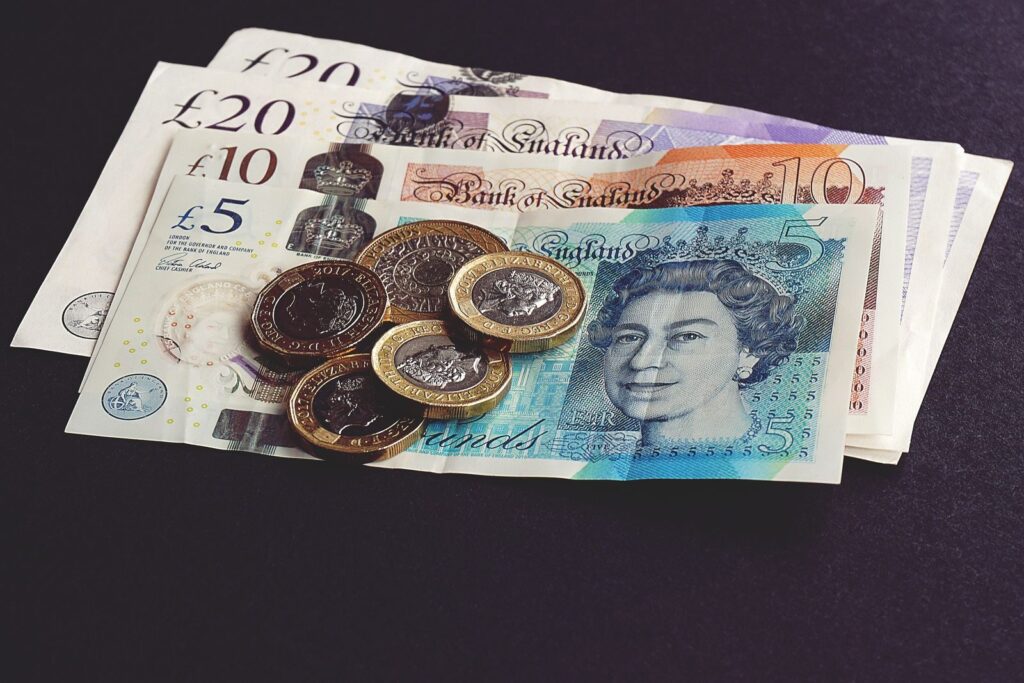
The OpenAI London salary story makes more sense once you split cash from shares. The wages figure works out at about £794,000 per person across the group. That is a large sum in its own right, even before share awards. But it remains a group figure, with no base salary listed for each worker.
A base salary is the regular cash amount set for a job. The phrase total compensation means cash plus other rewards, which can include shares. Keeping those terms clear helps when you read a report or a job offer. The whole staff cost includes more than the regular cash wage for a role.
Share awards, also called equity, give a worker a stake in the firm. Here, their worth depends on the value placed on a privately owned firm. That value can change, which means the stated worth can change too. A share award is like a voucher for a cake still in the oven. It has a stated worth, but you have no slice to eat yet.
The terms of each worker’s award are absent from the facts we have. So there is no basis here for guessing when they could turn shares into cash. For now, keep three things clear: regular wages, share awards and take-home pay. Each means something different, even when a headline brings them into one sum.
Why OpenAI London salaries need a closer look

The OpenAI London salary average gives us a group result, with no middle value. To find an average, add all the amounts and divide by the number of people. Very large sums at the top can pull that result up. The maths can be right while leaving you with a false sense of normal pay.
The median is the middle value when all the amounts are placed in order. Very large sums have less pull on it because their size leaves the middle place unchanged. These accounts give an average rather than that middle figure. We therefore lack the measure that would help us judge a typical worker’s pay.
Think of adding a giant to a class photo: the average height rises. The other people stay the same height, even though the group figure changes. A few huge rewards could have that effect on average pay. That explains a possible pattern, rather than proving how rewards were spread here.
Still on the bus, you may now find that first headline easier to read. You can accept the reported average without treating it as a wage for every job. This matters if the story makes you think about a change of work. A named role needs its own pay details before you can judge an offer.
How the figures compare with normal UK wages

The OpenAI London salary headline looks even larger beside normal full-time wages. The Office for National Statistics put median gross annual pay at £39,039 in April 2025. Gross means before tax, while annual means for a full year. The figure was provisional, so it could change as the data was checked.
That middle amount rose 4.3% from £37,439, according to the same source. It gives us a useful guide to pay among full-time workers across the country. It covers a broad group, with many kinds of jobs and rates of pay. Your own wage may sit above or below that middle point.
The cash average of £794,000 is about 20 times that national middle figure. The £2.3m total is about 59 times it, with share awards included. Seen this way, the national figure serves as a milepost, helping us judge the scale of those sums. It gives the large numbers some context we can grasp.
There is one key limit to this comparison: a company average and a national median answer different questions. The first spreads a total across a group, while the second finds the middle value. Keep that difference in mind when you read the ratios. The gap is still striking, but a real job offer needs a closer look at its own cash pay and shares.
Why AI firms draw such large sums

AI stands for artificial intelligence, software that does tasks linked with human thought. The OpenAI London salary figures cover a year when the firm grew fast. Crypto Briefing reports turnover of about £293m, up from £79.2m. Turnover means income from the firm’s work, before its costs are taken off.
Profit after tax reached £20.3m, the amount left after costs and tax. The firm also leased an 88,500 sq ft office in King’s Cross. It has room for 544 staff, which gives a sense of its plans. The space supports plans to more than double a workforce of roughly 200 people.
Think of a shop taking bigger premises because it plans to grow. The extra space shows intent, while the work of filling it still lies ahead. The London office announcement in 2023 named research, engineering and teams that bring products to customers. Those roles give some context for the work based there.
The firm is also reported to be raising about $30bn at a valuation of about $1.4 trillion. That last term means the worth investors place on a firm. For more context, explore the race between AI companies. These are large sums around a firm with plans for more growth. They set no pay rule for every tech firm or startup, which means a young firm.
Frequently asked questions
These accounts are a group portrait, which leaves some detail about each person out of view. Here is what that means for the main questions about pay.
The accounts give no wages for this role, so a firm answer needs other facts. They give neither a pay range for senior workers nor each person’s cash and bonus split. To judge a software engineer’s pay, you would need details for that job, including its base wage and any shares.
This filing, meaning the accounts sent to the public register, covers one firm. It gives no pay split by job and no view of the whole country. A sound figure for AI engineers across Britain would need pay data from more firms, with clear details about the roles and what each pay figure includes.
No, because these facts include no ranking of jobs across firms or fields. We have staff costs for one firm and a national guide for full-time workers. To find the highest paid tech jobs, you would need facts about specific roles, measured on the same basis across the firms you compare.
No. The OpenAI London salary total includes share awards and is a group average. Wages alone averaged about £794,000 per year, with each person’s amount left unstated. Neither sum gives the cash paid into each bank account after tax, so £2.3m should never be read as cash received by every worker.
Read OpenAI London salaries with a clear head

The OpenAI London salary headline still has the power to make you pause. The sums are large, and the split between wages and shares is striking. You now have the facts needed to read that headline with more care. The firm’s costs, its wages and its share awards each have a place in the story.
A headline is a signpost: it points you towards a story worth a closer look. The next step is to read the source and check what its figures count. Start with the kind of money involved, then look at the group it covers. After that, check how any comparison was made and which measure each side uses.
The OpenAI London salary story gives you a useful habit for other pay reports. Ask whether the sum is cash, shares or a total that includes both. Check whether it is an average or the pay attached to a named job. These few questions help you make sense of large numbers without needing to study accounts.
If the story makes you think about your own work, explore how AI is changing the job market. Keep your plans tied to clear facts about a real offer and its terms. Back on the bus, you can put your phone down with the surprise still there. Now you also know what made that number so large.