

























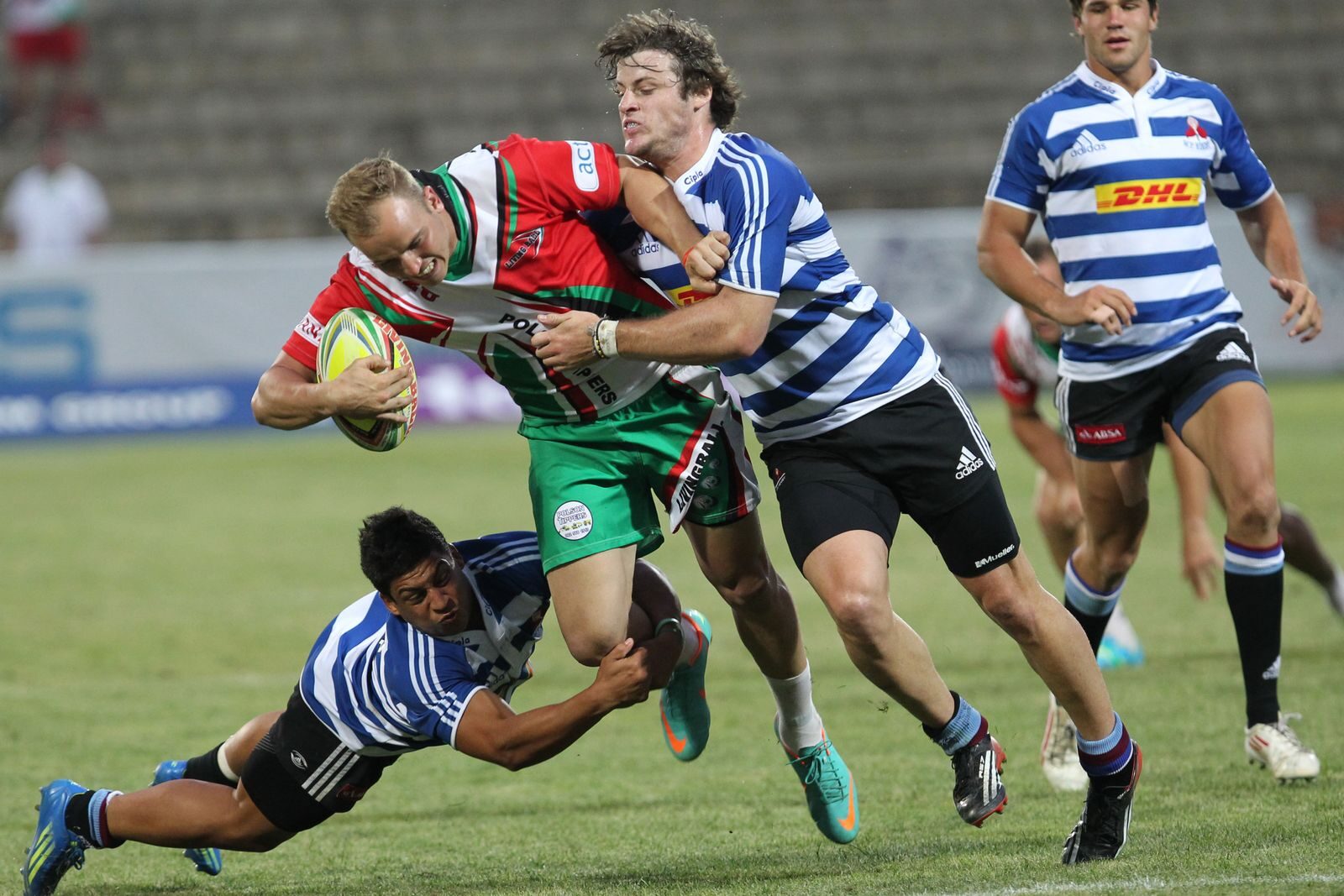
Rugby League World Cup 2026 is only one round old, and Tonga have already beaten England by 18 points, reports Sky Sports. If you have never watched rugby league, that news may need some context. A friend sends a text saying, “Tonga beat England by 18!” You sense their shock, but what does that gap mean for England? Does the team go home, or can it still reach the final? France has lost by an even wider gap, while Australia has won a close game. Those results give you plenty to follow once you know how the event works.

You need no past knowledge to enjoy Rugby League World Cup 2026 from here. Start with who won, then learn how each result affects the group table. We will explain the key words as they come up, so nothing feels assumed. You can then choose a game and see what each team needs next. Round 2 starts on Friday 23 October. That gives you a clear date to save while you learn the basics. Your friend’s text has given you a reason to care about the next score. Now, a few simple facts will help you follow the game behind it.
Rugby League World Cup 2026 has more than one title at stake
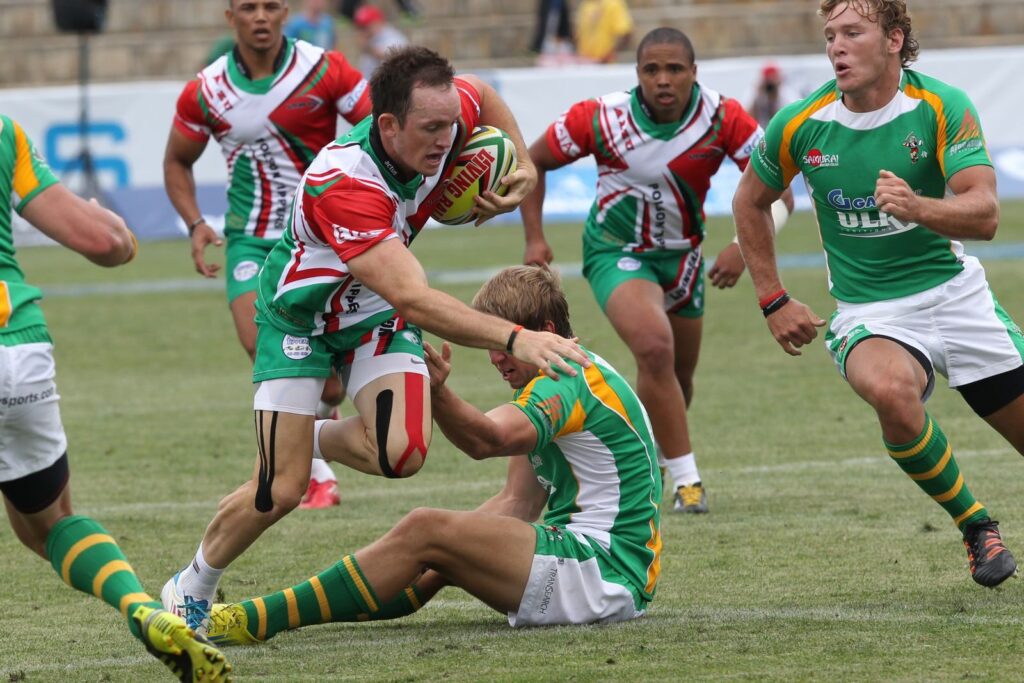
Rugby league is a game in which teams carry the ball and try to score. A try means putting the ball down over the other team’s line. A tackle means stopping the player who carries the ball, so watch those moments first. Follow who has the ball, where they move and which team leads. You can learn more rules as you watch, because the aim is easy to grasp. Each team wants to score more points than its rival.
Rugby League World Cup 2026 has men’s, women’s and wheelchair teams, each chasing a separate title. Across them, 26 teams from 14 nations play 53 games over five weeks. Australia, New Zealand and Papua New Guinea share the hosting. Think of the event as a shop with separate counters, each serving its own part. A men’s result affects the men’s standings, while the other competitions have their own results. That helps you keep track when several scores appear in the same report.
The year also has a story, which explains why earlier plans may sound different. According to Wikipedia’s event history, France planned to hold the event in 2025 but withdrew in May 2023. The planned tournaments were cancelled that August in favour of a smaller event the following year. Australia was named host on 24 July 2024, and New Zealand joined as a host in November 2025. With that background clear, we can turn to the first results.
The first scores explain your friend’s surprise
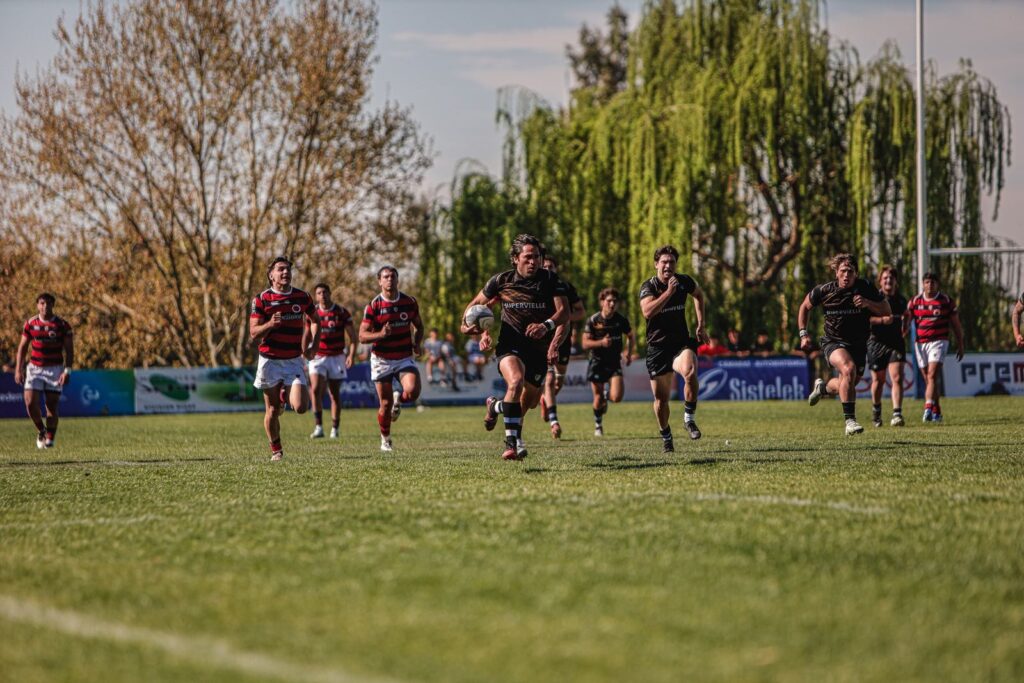
The first game of the tournament brought a close men’s result. Australia beat New Zealand 24–22 on Thursday 15 October, with just two points between them. Tonga then beat England 30–12 at HBF Park, Perth, on Saturday 17 October. Your friend had that 18-point winning gap right, so the text makes sense.
Samoa beat France 78–4, which left a much wider gap of 74 points. Think of a school quiz where one side knows nearly every answer. That gives you a sense of the gap, though the score cannot explain each play. Australia and New Zealand, by contrast, finished much closer, giving fans a different result to discuss.
Elsewhere, Papua New Guinea beat Lebanon 42–18, while Fiji beat the Cook Islands 40–12. Those wins give you more teams to follow beyond the result in your friend’s text. You might choose Papua New Guinea or Fiji and see how each fares next. Their next games will add to what we know from this first round.
In the women’s games, Australia beat Samoa 40–0, while Papua New Guinea beat France 58–4. England beat Wales 70–6, and New Zealand beat Fiji 18–12 in a closer game. Keep the men’s and women’s results separate as you read, because each has its own title. Next, the group rules explain what those men’s wins and losses mean.
Rugby League World Cup 2026 uses a shared group table

The men’s tournament starts with ten teams split into groups. You may also hear a group called a pool, which means the same thing here. Group A contains Australia, New Zealand, Fiji and the Cook Islands. Its top two teams qualify, which means they earn a place in the next stage.
Groups B and C work differently because their teams play across the groups. Their results also go into one combined table, which ranks the teams together. Think of two school classes sharing one sports day table, despite their separate class names. You need that shared list when checking which teams can reach the next stage.
The top two teams from the shared table join the top two from Group A. Those four teams reach the semi-finals, where they play for places in the final. The group stage is the opening part of the event, before those games. A first loss does not, by itself, mean a team must go home.
That rule gives England’s next game a clear purpose after the loss to Tonga. England still has group games to play, so its run has not ended. Check the shared B/C table as those results come in, then look at the next opponent. You now have a way to judge each score beyond the winning gap alone.
The next games give you a clear place to start
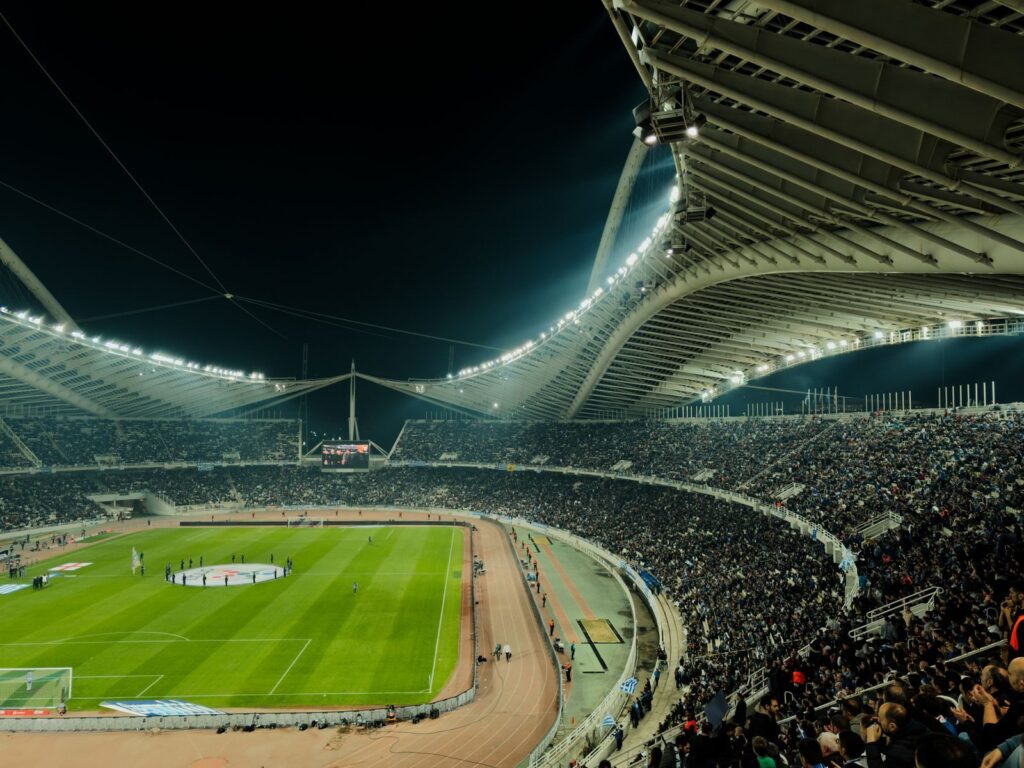
The ESPN fixture list gives the next dates, with games listed by local date. Tonga faces Lebanon at CommBank Stadium on Friday 23 October, when Round 2 starts. Papua New Guinea then meets Samoa in Port Moresby on Saturday 24 October. England also faces France that Saturday at HBF Park in Perth, giving both teams their next test.
On Sunday 25 October, New Zealand plays the Cook Islands in Christchurch. Australia faces Fiji at Suncorp Stadium in Brisbane on the same date. Choose the game that interests you most, based on the first results. You could follow a team that won, or see how a team responds after a loss.
The later group games give England another clear date for your plans. England faces Papua New Guinea on Friday 30 October at WIN Stadium, Wollongong. Tonga and Samoa then meet on Sunday 1 November at CommBank. That game brings together two opening winners, so you can follow both beyond their first results.
The tournament gives you several games to choose from as a new fan. Start with one, then check its date, ground and start time before making plans. Our guide to planning what sport to watch can also help you make room. Once you have picked your next game, save the dates for the title games too.
Rugby League World Cup 2026 has a title date to save
The men’s and women’s semi-finals take place on Saturday 7 and Sunday 8 November. Newcastle’s McDonald Jones Stadium hosts the Saturday games, while Allianz Stadium in Sydney hosts Sunday’s. Both title games then take place at Suncorp Stadium in Brisbane on 15 November 2026. Suncorp Stadium’s event page confirms that shared date for the two finals.
The men’s final starts at 7:35pm Brisbane time, which is 8:35am in the UK. The wheelchair semi-finals fall on 9–10 November, with their title game listed for 12–13 November. Think of the schedule as a kitchen calendar. Give each competition its own date, so you can see which games you want to watch.
Australia holds the men’s title, which adds context to its close opening win. As Love Rugby League reported, Australia beat Samoa 30–10 at Old Trafford on 19 November 2022. That was the 2021 edition, played later, when Australia claimed its 12th title. The two years refer to the same previous event, so there is no extra tournament to track.
UK viewers can watch on Sky Sports or stream the games through NOW. Some games fall early in the UK morning, so check the time before you settle in. For example, the Brisbane game on 25 October starts at 9:05am UK time. Save that alongside the date if Australia against Fiji is your choice.
Frequently asked questions
The men’s and women’s finals take place on Sunday 15 November in Brisbane. The men’s game starts at 7:35pm local time, or 8:35am in the UK. Save the time that applies where you watch, along with the date. The wheelchair title game has a separate listed window of 12–13 November.
Australia, New Zealand and Papua New Guinea host Rugby League World Cup 2026. Those are the three host nations across the event, which includes men’s, women’s and wheelchair competitions. They share the hosting over five weeks, with 26 teams from 14 nations taking part in 53 games.
Sky Sports shows Rugby League World Cup 2026 in the UK, with streaming through NOW. Check the UK start time when choosing a game, because fixture lists may use local times. The 25 October game in Brisbane starts at 9:05am in the UK, giving you a morning game to plan around.
No, the 30–12 loss does not by itself end England’s run in the event. The top two teams from the shared B/C table reach the semi-finals, so further group results matter. England next faces France in Perth on Saturday 24 October. That gives you a clear next game to follow after the opening loss.
Turn that text into your next viewing plan

Read your friend’s text again, and the score should now mean a little more. The tournament has given you a first result to care about. Tonga’s 18-point win explains the shock, while Australia’s close win offers another game to discuss. England’s loss also leaves a clear question for its next group game.
Your next step can stay small, because you do not need to follow every game. Choose England against France, or see how one of the opening winners plays next. Keep the right group table nearby so you can check what the result changes. As you watch, follow the ball and ask about rules when they come up.
If league tables already interest you, explore how football’s big leagues compare as another sports read. For this event, start with the dates and the shared table explained here. They help you ask useful questions, such as who needs a win and who plays next. You can enjoy finding those answers as the games unfold.
Rugby League World Cup 2026 now gives you a reason to watch the next match. Pick a game, check your local viewing time and save the title date. You have enough context to follow the score and see why the next result matters. When your friend sends another text, you can join the talk with a question of your own.