
































Creatine for women matters for a simple reason. Women can have 70 to 80 percent lower natural creatine stores than men. A 2021 review in Nutrients reports this gap. A usual diet adds only 1 to 2 grams a day, as the Mayo Clinic notes. So a small tub of white powder may be more than gym hype. Yet it also raises fair questions about safety and dose.

Meet Maya, a made-up 44-year-old who walks most days. She rarely lifts weights. A friend says creatine could help her feel stronger. But Maya sees posts about water weight, kidneys, hair and hormones. She wants a plain answer first. She wants strength for shopping bags and stairs.
This guide follows her from doubt to a calm choice. You will learn what the powder does, what studies show and where gaps remain. Most of all, you will see why exercise, food, sleep and a doctor’s advice still come first.
Creatine for women: what it does in the body
Creatine is made from three amino acids. Most of it is stored in muscle. Your liver, kidneys and pancreas make about 1 gram a day, says the Mayo Clinic. Four ounces of beef or salmon adds about 500 milligrams, per the NIH fact sheet.
The body turns most of it into phosphocreatine. That helps remake quick energy called ATP. Think of ATP as a phone battery and phosphocreatine as its quick-charge pack. So creatine helps most in short, hard bursts. Studies found support for repeated bursts of up to about 2.5 minutes.
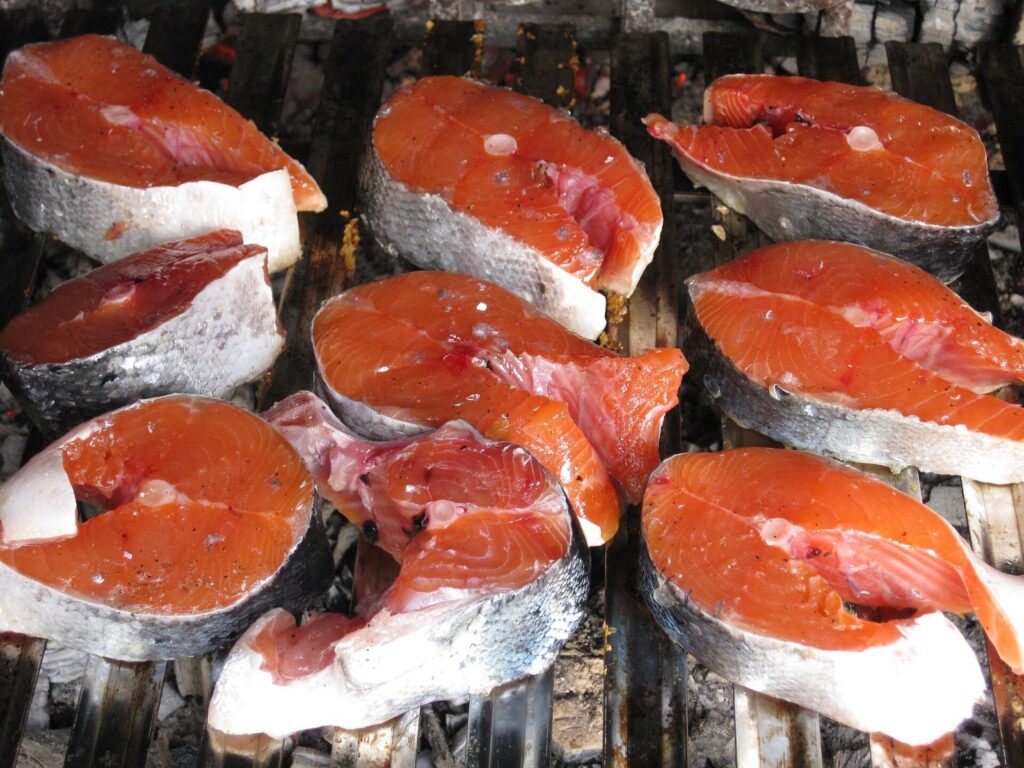
The women’s health review found that women also tend to eat less creatine. Food works like a pantry. You can only use what sits on the shelf. Red meat and seafood are the main sources, and plants supply almost none. So vegetarians and vegans often start lower. Plants help in other ways, as our guide to chia seeds and daily nutrition shows.
How much creatine for women to take daily
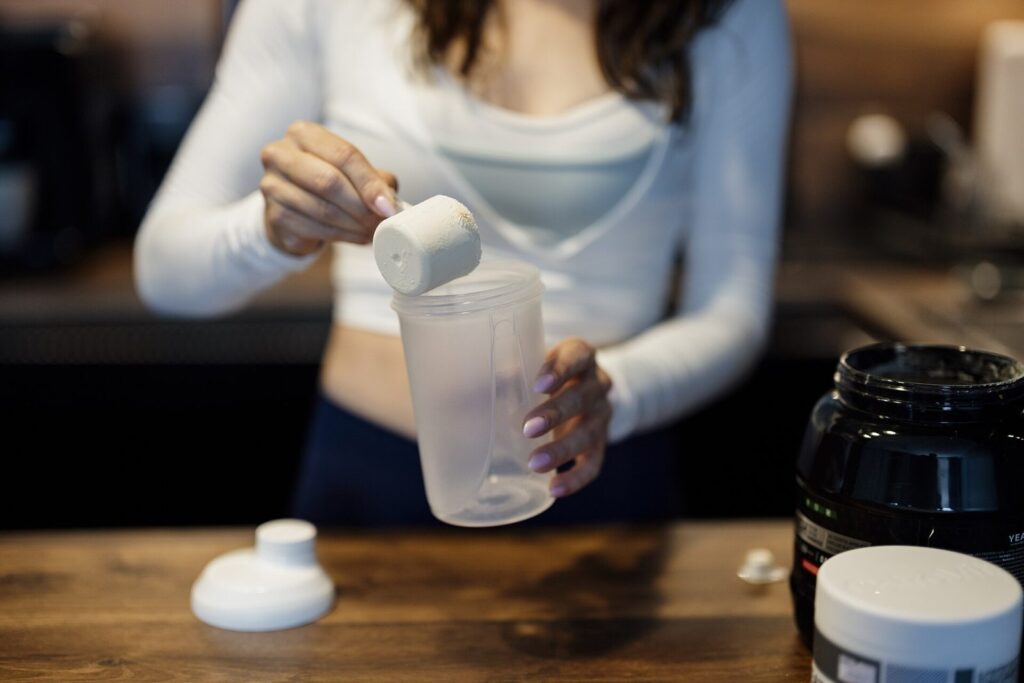
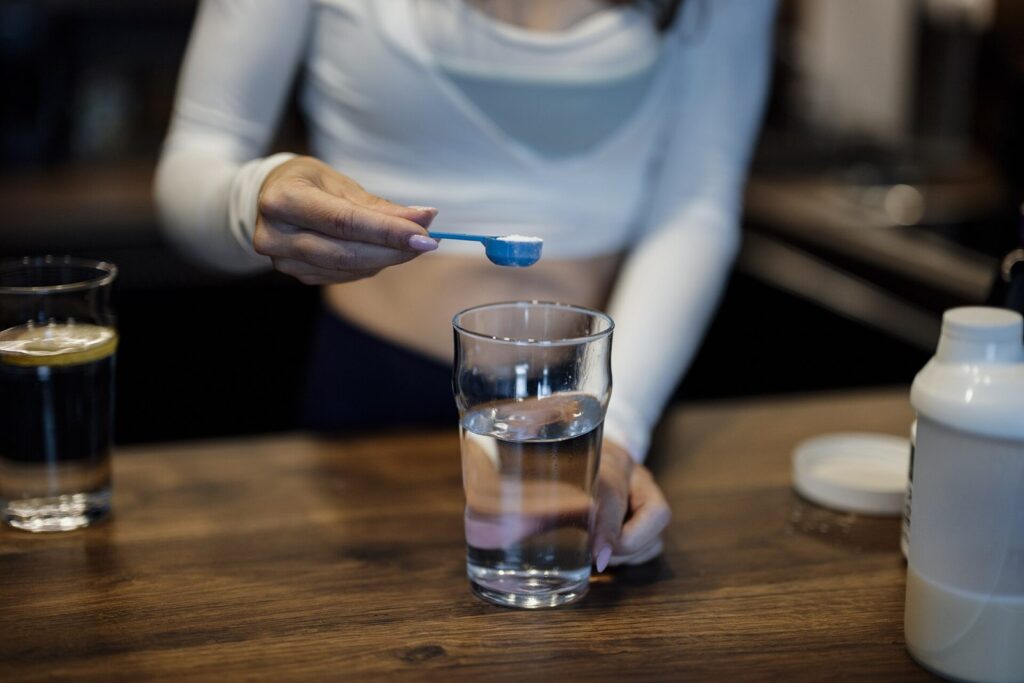
The usual dose is 3 to 5 grams each day. Most studies of creatine for women and men use this range. Mix plain creatine monohydrate powder into water and drink it.
Think of a kitchen jar gaining one scoop each day. It fills slowly, yet it still reaches the full line. Timing matters less than steady use. So pick a time you can remember. If a large serving upsets your stomach, try smaller ones.
Loading fills that jar faster. The common plan uses 20 grams a day for 5 to 7 days. You split it into four servings of 5 grams. Then you drop to 3 to 5 grams daily. The NIH and a research review describe these plans.
But you can skip loading. At 3 to 5 grams a day, the tank reaches the same place in about a month. Maya chooses the slow route because it feels simple.
What the powder may help women do, before and after menopause
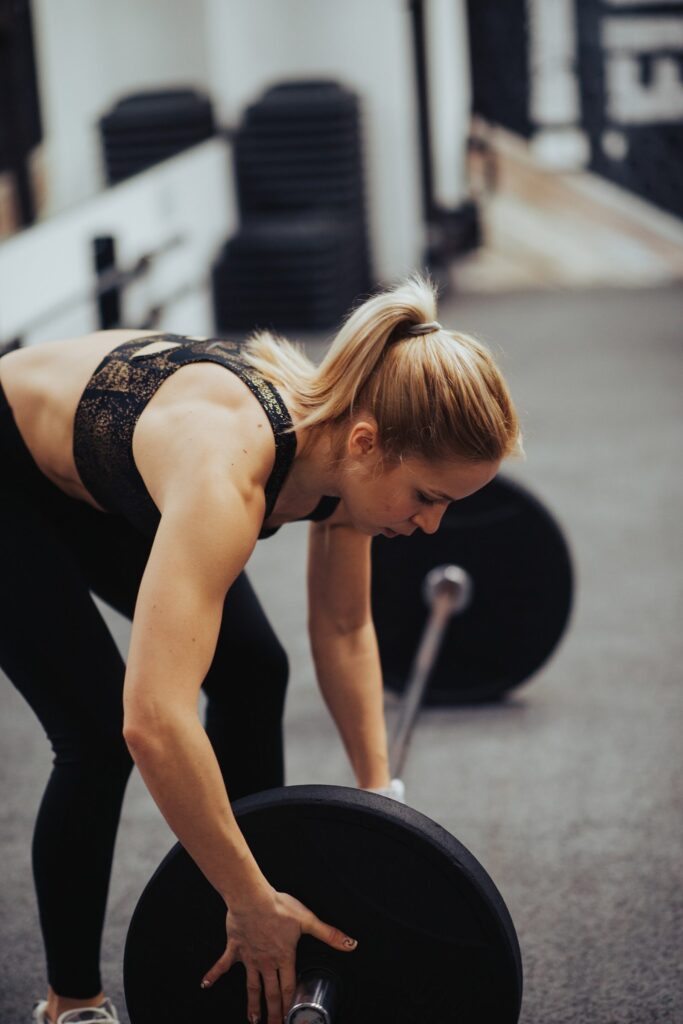
Studies in women are fewer than studies in men. Still, the clearest gains involve short, hard effort. A review focused on females says creatine improves strength and exercise results before menopause. The effect is smaller without exercise. So think of the powder as money in a bank account. It may add funds, but movement decides where you spend them. Even walking after a meal is one easy step toward steady movement.
Research on brain energy and mood also looks hopeful. One plan used 5 grams daily for 4 weeks. However, that proof is not settled.
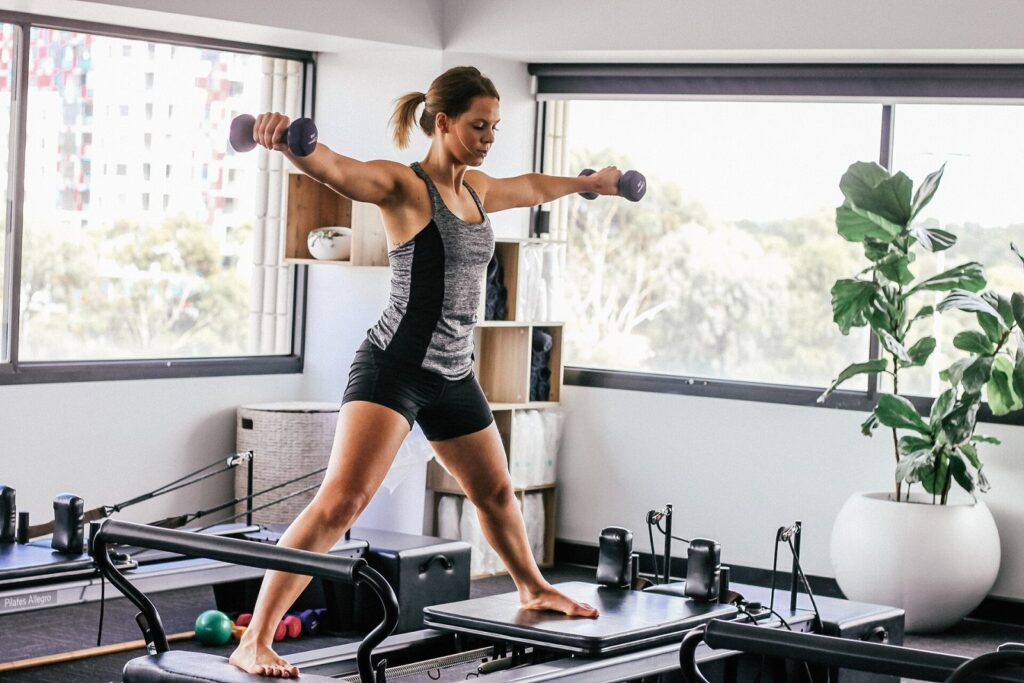
Around menopause, muscle and bone can fall faster. In post-menopause studies, researchers used 0.3 grams per kilogram a day. Women also did strength work, such as weights or bands. They found good signs for muscle size, function and bone. But these studies were small. The powder does not treat osteoporosis. A doctor should guide care for weak bones.
Does creatine cause weight gain?
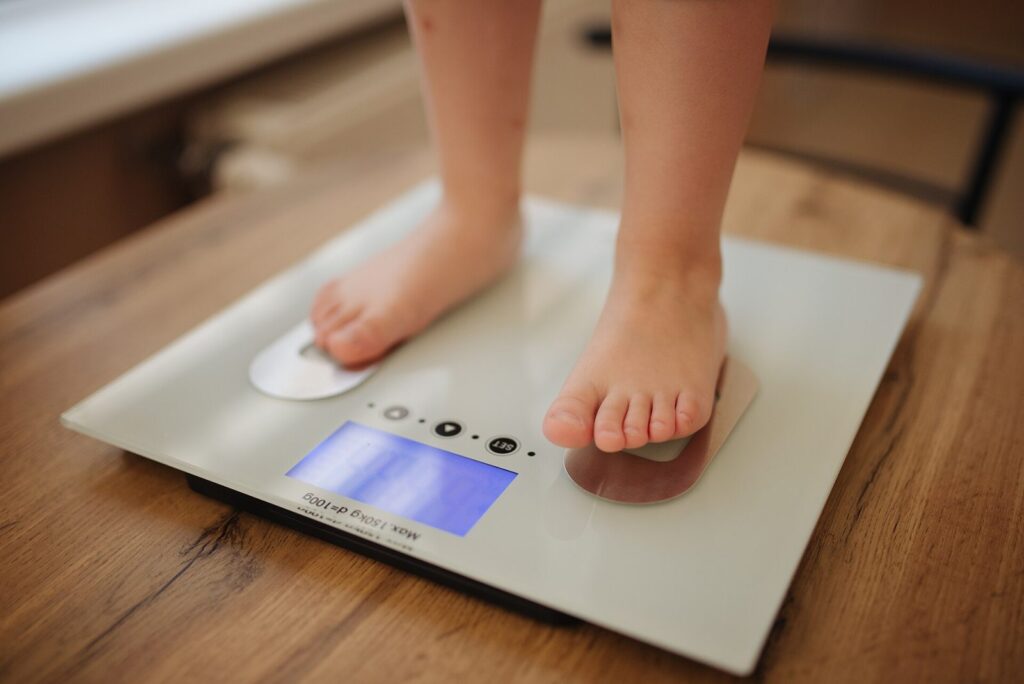
A review of common creatine concerns covers early water weight. It calls this the most common side effect in the first days. The water moves inside muscle, where creatine does its work. So the scale can move within days without any gain in fat.
Think of a kitchen sponge taking in water. It weighs more, but no one added oil to it. In the same way, a quick scale change does not prove fat gain. So compare readings under the same conditions, and follow the trend.
The same review looked at training studies lasting 5 to 10 weeks. They found no long-term rise in total body water. So the fear of adding ten pounds of fat does not match the proof. Watch how your clothes fit. If body shape is your wider worry, read about the insulin resistance and belly fat link. Maya can now read an early bump as water, not failure.
Is creatine safe for women? Kidneys and hair

For healthy people, the International Society of Sports Nutrition position paper found a strong safety record. People used up to 30 grams daily for 5 years, and it was well tolerated. Reviews also found no kidney harm at set doses in healthy people. But kidney disease changes that answer.
Think of safety like fitting a new lock. A strong lock works well on a sound door. But a damaged frame needs an expert first. High doses can upset the stomach, and creatine can clash with some drugs. So talk to your doctor before you start.
The hair worry comes from one small study of male rugby players. DHT, a hormone linked with hair loss, rose 56 percent after loading. It stayed 40 percent above the start two weeks later. But no study repeated that result. Hard training can also raise those hormones. So hair loss remains a worry, not a proven result.
Buying creatine for women: who should skip it

Choose plain creatine monohydrate from a brand that uses third-party testing. That means an outside lab checks what the pack holds. The label should show the amount in each serving. Skip gummies and blends with a vague dose. The plain powder has the deepest research. Think like a careful shopper reading a food label, not a fan buying a promise.
Some people should pause first. Pregnant and breastfeeding women should not self-prescribe, because safety data are thin. Children and teens need medical advice too. So do people with kidney disease or anyone taking medicines. Bring the label to your doctor or pharmacist.
Maya ends where she hoped to arrive. She feels informed, not pushed, and she knows who to ask. Creatine for women can be a simple option that works best beside steady exercise. Start with facts, choose a clear product, and stop if it does not suit you.
Frequently asked questions
The strongest proof covers short, hard effort and strength training. So the effect may feel small without them.
Loading can fill muscle stores in 5 to 7 days. A daily dose of 3 to 5 grams reaches a similar point in about a month.
It can clash with some drugs, so ask your doctor or pharmacist to check your list.
Proof does not show that it changes periods. Research in pregnancy is thin. So talk to your doctor if your cycle changes.